




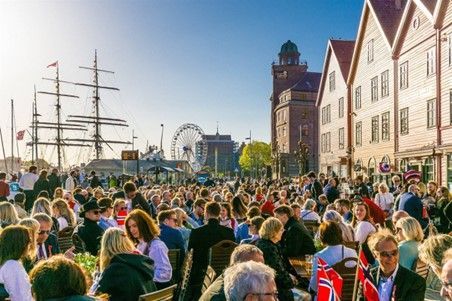
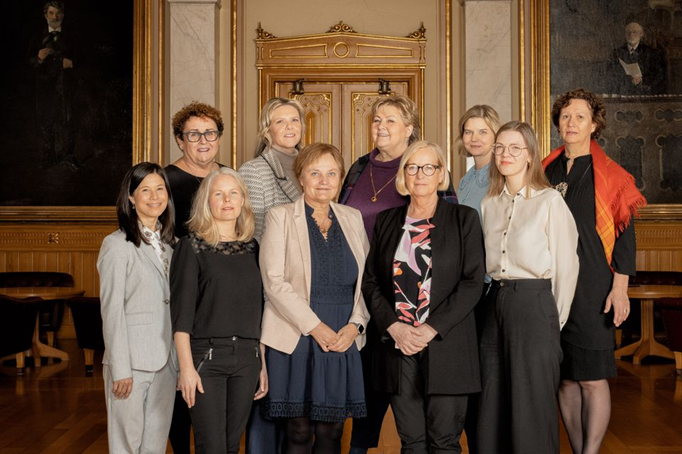

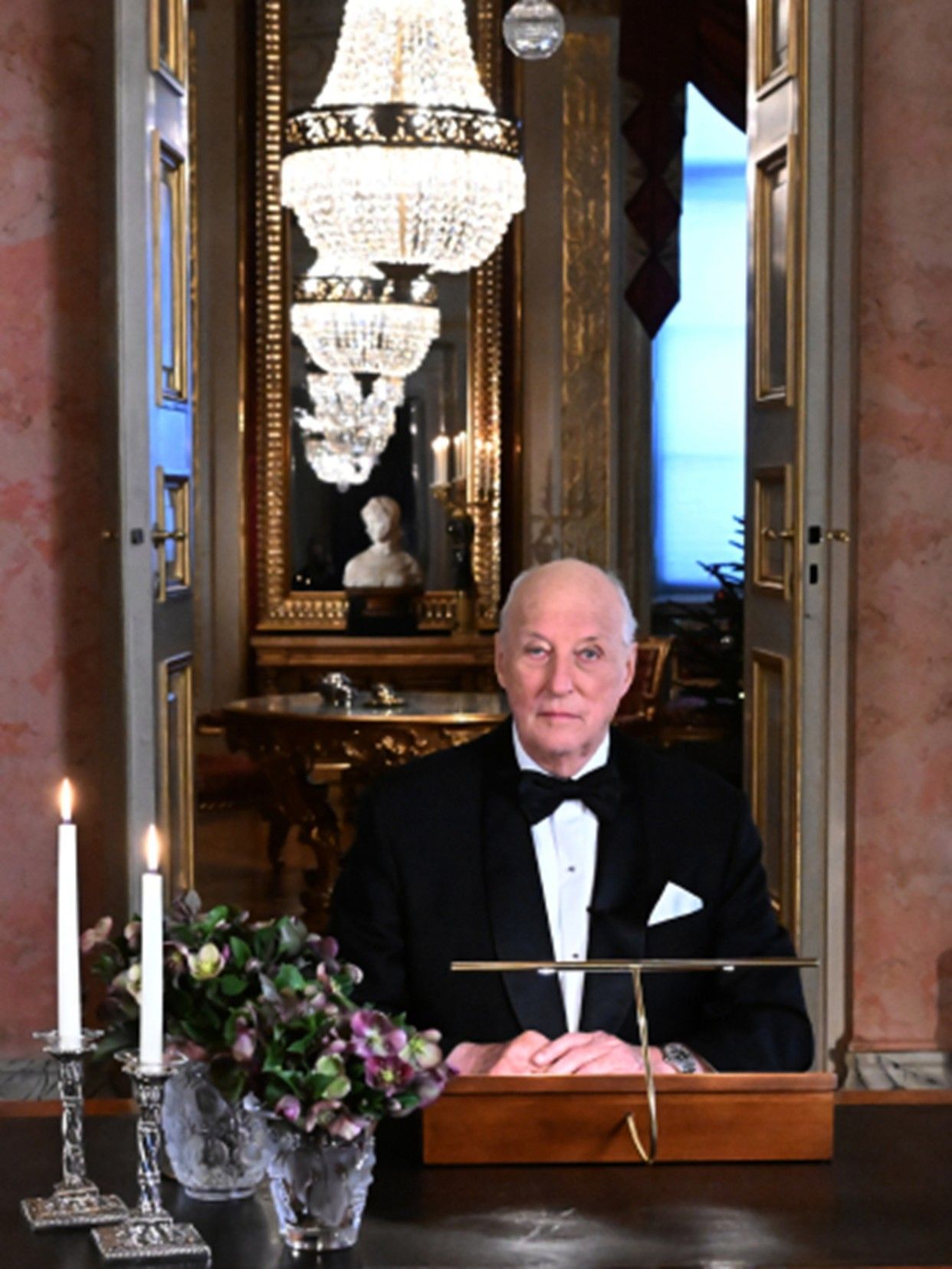
When I grew up in Norway, the beginning of May was always a special time at school especially for the children playing an instrument in the school’s marching band. I played clarinet for almost 10 years. We practiced marching around the building to prepare for the 17th of May parade, and we trained on the most popular songs and melodies. One of the songs still standing out in my memory is “Kom, mai, du skjønne milde," a traditional Norwegian spring song, often celebrated for its joyful and uplifting melody that expresses the anticipation of spring and the beauty of nature awakening after a long winter. The title translates to "Come, May, you lovely and mild," reflecting the joy the month of May brings to both children and grownups.
The song captures the essence of renewal and hope with lyrics that evoke vivid imagery of blooming flowers, returning birds and the general rejuvenation of life. It resonates with many Norwegians as it marks the transition from the harshness of winter to the blissful days of spring. "Kom mai du skjønne milde" is frequently sung in schools and at various outdoor celebrations to symbolize the changing seasons and also a sense of community and shared joy. The music was written by the Austrian composer Wolfgang Amadeus Mozart (1756-1791) who collaborated with Christian Adolf Overbeck (1755-1821), a German poet. Its catchy melody and heartfelt lyrics make it a beloved piece in Norway's musical heritage, celebrating both nature and the collective spirit of its people. You can enjoy the song and video on YouTube by clicking on the link: https://www.bing.com/videos/riverview/relatedvideo?q=Kom+mai+du+skjoenne+milde&mid=64400B53986CED375C3564400B53986CED375C35&FORM=VIRE
Norwegian May celebrations, particularly known as "17. mai" or Constitution Day, are vibrant and significant events in Norway. Celebrated annually, the day marks the signing of the Norwegian Constitution in 1814, a pivotal moment in establishing Norway as an independent nation.
On this day, Norwegians commemorate their history, culture and national identity. The festivities typically start in the early morning. One of the most iconic traditions is the children's parade, where thousands of children don traditional bunads (Norwegian folk costumes) and march through the streets waving flags. This parade symbolizes the future of the nation and reflects a deep-seated pride in Norway's heritage. Throughout the day, you'll find lively events including music, speeches and various performances highlighting Norwegian culture. It's common for families to have outdoor gatherings, picnics, and barbecues, further enhancing the festive spirit. People gather to enjoy traditional foods, such as hot dogs ("pølse"), ice cream and "kransekake," a delicious towering cake traditionally made out of 18 crisp almond cookies held together with royal icing.
The celebrations are born of a sense of community, with local towns and cities organizing events that invite everyone to participate. Whether in urban areas or smaller villages, the unity and joy shared on this day is palpable. For many Norwegians, 17. mai is not just a celebration of the constitution but also a day to celebrate freedom, democracy and being together. Norwegian May celebrations are a beautiful blend of history, culture and community spirit. It's a day filled with joy, pride and colorful festivities that resonate deeply within the Norwegian identity, reminding everyone of the importance of their constitution and the values it represents. And, best of all, it’s a day focusing on the children.
Spring is a time of reflection and new hope for many people, including me. For as long as I can remember, I have prayed for our leaders and that they may be able to bring peace where we have conflicts and better distribute wealth around the globe to large numbers of people suffering from hunger and lack of clean water. It seems that the more I pray, the less peace and less justice we see; but I will continue praying and perhaps one day we will get leaders who are able to get my dreams to come true.
My hopes of peace and the distribution of wealth are deeply interconnected and have been the subject of extensive philosophical, economic and sociopolitical discussions throughout history. Peace is often seen as a prerequisite for the equitable distribution of wealth. In times of conflict, resources are typically diverted to military efforts which can exacerbate poverty and inequality. Conversely, stable and peaceful societies tend to have more resources available for development and social programs that can promote wealth distribution.
Wealth distribution directly impacts social stability. High levels of economic inequality can lead to social unrest and conflict. When wealth is concentrated in the hands of a few, the majority may feel disenfranchised, leading to tensions that undermine peace. The ethical considerations surrounding wealth distribution often invoke the principles of social justice. Many philosophies argue that a fair distribution of resources is essential for a just society. This includes ensuring access to education, healthcare and opportunities for all which contribute to peaceful coexistence.
On a global scale, wealth distribution between nations varies widely. Wealthier countries often have the means to invest in peacekeeping efforts and international aid, while poorer nations struggle with instability. Global inequality can perpetuate cycles of conflict and poverty, making peace harder to achieve in certain regions. Effective governance plays a crucial role in balancing wealth distribution and maintaining peace. Transparent and accountable governance can help create equitable systems that address the needs of all citizens, reducing the likelihood of conflict.
The United Nations' Sustainable Development Goals (SDGs) emphasize the importance of reducing inequality to promote peace. Goals such as decent work, reduced inequalities and building inclusive societies are fundamental to achieving long-term peace and stability. Reflecting on the relationship between peace and the distribution of wealth reveals a complex interplay where each influences the other. Striving for equitable wealth distribution is not only a matter of economic policy but also a moral imperative that can foster a more peaceful world.
The reason I share my prayers with you this spring is because of all our concerns these days for the world economy and global trade. For more than 50 years, I have been working with international shipping and trade and have seen the development of the number of containers coming into the richest countries in the world, and I have questioned myself, “What’s in all these containers?” The fact is that the containers coming in contain products produced cheaper in another place in the world, bringing up the consumption of goods. The containers going out often contain equipment to produce products in another part of the world or semi-finished products to be assembled and returned to consumers. A few examples are fish from Norway to be packed in a lower-cost country, shrimp from the west coast of the US to be packed in the Far East and then returned for consumption in the US. Electronic parts from the US are sent to the Far East to be assembled and returned to markets in Europe and the US. Yes, it’s good for the economy and good for consumers, good for international trade and good for shipping. But is it sustainable? Is it good for the local fisherman? Will it help in distributing wealth? Probably not.
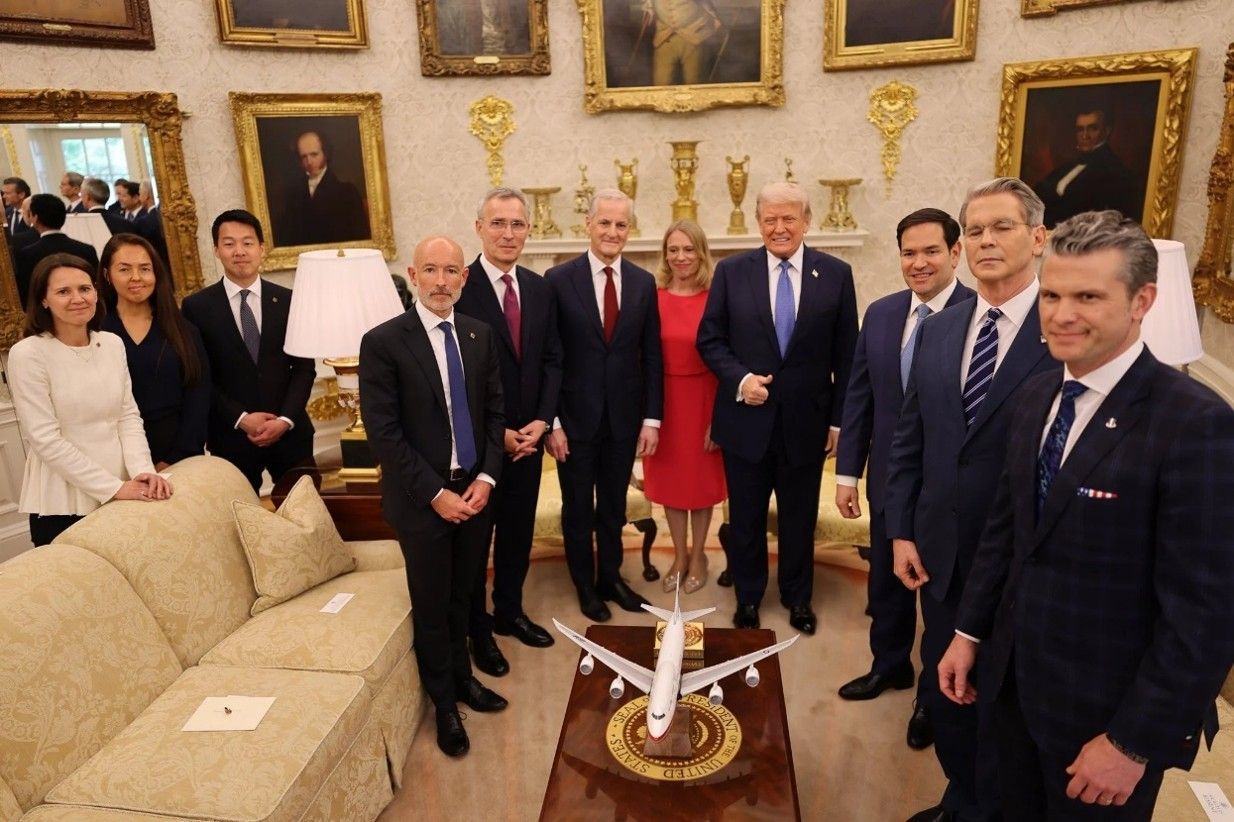
Why do I share my reflections with you on a sunny day in April while preparing to celebrate the beauty of spring? I share it with you because I have shared so many concerns about the climate, the ocean and conflicts around the world in my previous articles, and I hope some of you will reflect on the big picture with me. The stability we used to take for granted between our two countries, Norway and the US, is under attack because of disagreements and wars coming closer to us every day. I was so happy to see the large delegation from Norway visiting President Trump in the White House on April 24th. The Norwegian Prime Minister, Jonas Gahr Støre, visited the White House together with Jens Stoltenberg, Norway's finance minister and former NATO Secretary-General, as well as the Ambassador to the US, Anniken Huitfeldt. This meeting included a bilateral discussion. During their meeting, Trump emphasized the strong alliance between the U.S. and Norway. This is exactly the visit we needed to lay the ground for close cooperation in the weeks, months and years to come.
In addition, while working on this article, we received the sad news that Pope Francis had died at the age of 88. Pope Francis, one of our most important spokespersons (in my opinion), was known for his efforts to address issues related to the distribution of wealth, particularly through his advocacy for the poor and his critiques of economic inequality. His commitment to helping the less fortunate embodied his personal views on wealth distribution, emphasizing the importance of sharing resources with those in need.
The Norwegian Society in Washington DC has existed for 123 years, and we have much more power than we think of every day. We have been through wars before, and we have given power to both countries when needed. Now it is time for us to use our expertise and presence to promote our two countries’ cooperation by inviting experts from both sides of the Atlantic to demonstrate our strong ties and unity. The Norwegian Church Service in Washington, D.C. was established in 1947, just after World War II. In 2027, we will celebrate our 80th anniversary. I encourage all our members to pray for our two countries’ friendship and help me pray for unity, peace and a more equitable distribution of wealth around the world so that more countries and communities have something to celebrate. As a Society and as a Church located in the capital city of the world, we have a job to do, together.
I wish you all a great 17th of May celebration and a wonderful spring. This year, my hope is that we all care a little more for the whole world and its future.